 Pet Access Hubs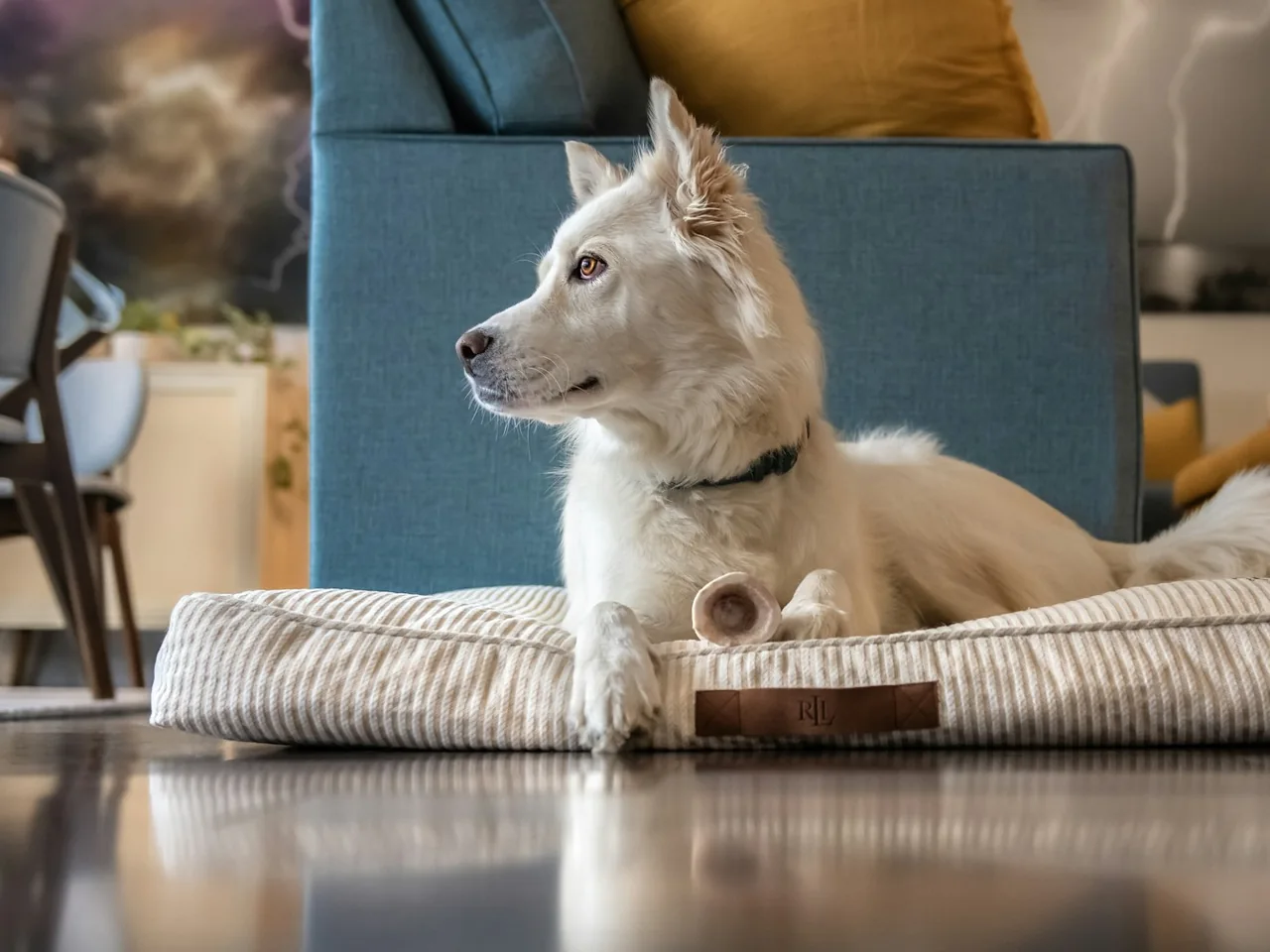
Context photograph.
Room access Both
Trace the routes your pet uses every day
An access audit begins between resources, where a tidy-looking room can still create friction.
Draw connections as well as objects
Sketch the room and mark resting places, water, food, exits and other relevant resources. Then draw the route your pet actually uses between them. A resource can be present without being straightforward to reach, especially when doors, furniture or other animals affect the path.
Use observation to check the sketch. Do not carry the animal around the room to make it demonstrate access. Record ordinary approaches and departures while the room is being used normally.
Check the route at different moments
- Look at the path when chairs are pulled out and doors are open in their usual positions.
- Notice bags, shoes and temporary storage that occupy the floor later in the day.
- Check whether the route passes close to another pet's resting or feeding place.
- Confirm that the pet has a way to leave a resting spot without being cornered by the layout.
Write the friction precisely
“Door closes between bed and water during calls” identifies a fixable arrangement. “Room is too small” is less specific. You may be able to change a door routine or move one resource without acquiring more furniture.
For cats, Cats Protection's house-plan guidance emphasises distribution and access to resources. For dogs, an appropriate home includes space to move and a comfortable resting option. Apply those principles to the actual routes rather than judging the room only by its appearance.
Test a reversible change
Move one obstacle or change one household habit, then observe again. Keep equipment stable and follow installation instructions if the change involves furniture or accessories. Do not build improvised platforms or assume a diagram establishes structural safety.
The access checklist helps record the audit. It does not assess mobility needs, recommend rehabilitation equipment or diagnose a reason for hesitation. If movement or access changes unexpectedly, seek suitable individual advice.
Sources & practical application
These principles inform the guide. Household worksheets, examples and sequencing are our editorial application, not reported experiments or endorsements by the source organisations.
Source principle: Distribute resources, avoid busy bottlenecks and consider the route a cat uses to reach each location.
Source principle: Provide a comfortable resting place, room to move, and appropriate objects for play and chewing.
Checked October 16, 2026. How we prepare guides · Report a correction.