 Pet Access Hubs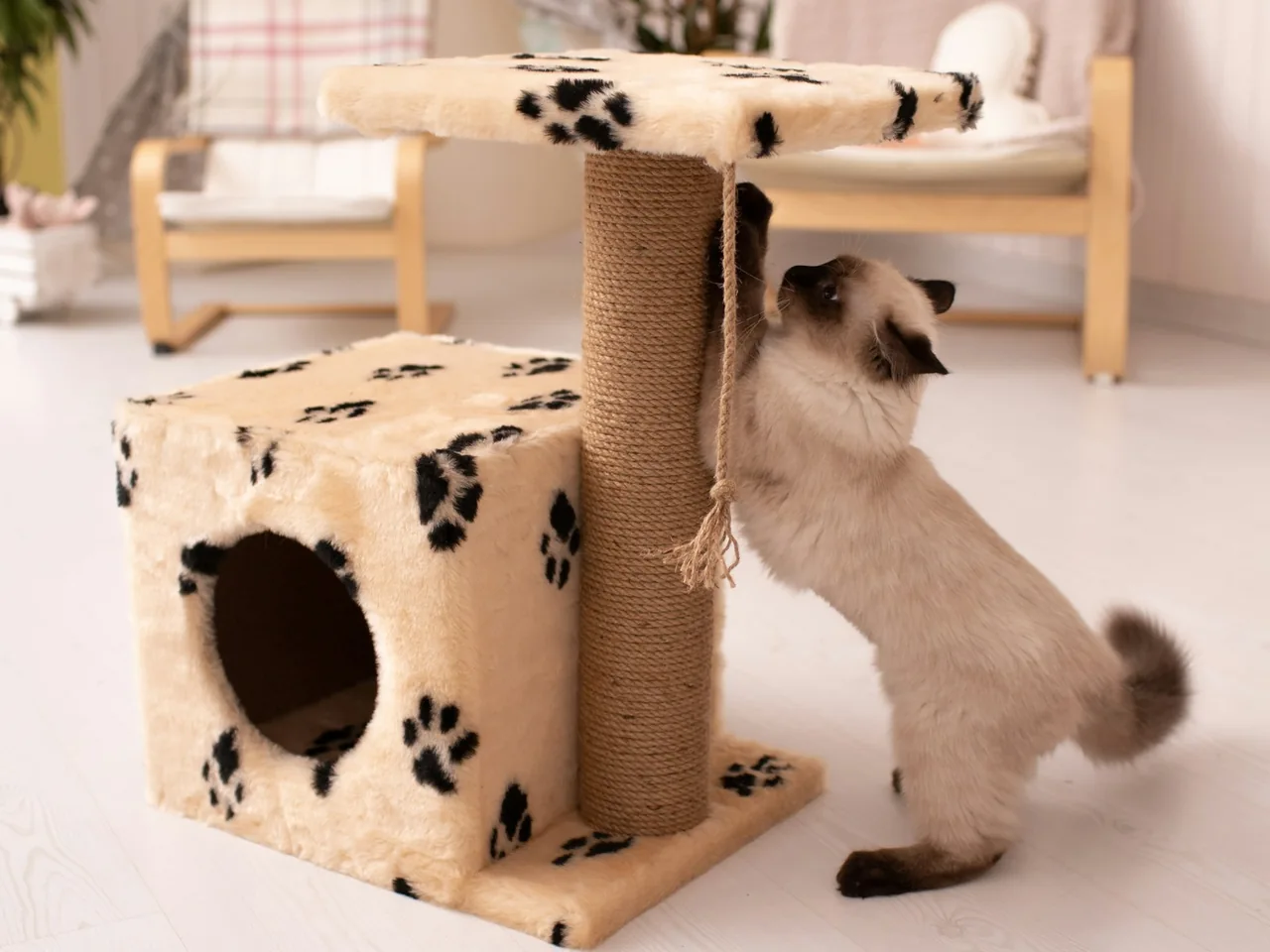
Context photograph.
Decision guides Both
Ask whether an accessory improves actual access
Turn an appealing idea into a measurable household question before purchasing.
Name the problem without naming a product
Write the task first: a route is blocked, equipment is hard to identify or a cat lacks an accessible scratching option. If your first sentence is a product name, step back and describe what the animal or person needs to do differently.
A useful accessory should fit the real setting and have instructions you can follow. This site does not test ramps, platforms or structural installations, and a room sketch cannot verify their suitability or load capacity.
Make a before-and-after question
- What action is difficult in the present arrangement?
- What would change in the route or resource location?
- What measurements or installation requirements must be confirmed?
- How will the item be maintained and inspected?
- What could make the proposed change less accessible for another household member or animal?
Consider a simpler arrangement
Sometimes moving storage, keeping a door open under an agreed routine or relocating a resource answers the question without another purchase. Compare that option openly. Cost or novelty does not establish usefulness.
For a cat's environment, distribute resources and preserve retreat routes. For people handling pet equipment, clear labels and secure storage may be the relevant improvement. Keep the animal's access question separate from the household's desire for a matching set.
Record what you can establish
Use “confirmed from the instructions,” “needs checking” and “observed after use” as separate states. Do not convert an attractive product description into evidence about your pet. If the item needs installation, keep the actual directions and use qualified help where appropriate.
Review the change after ordinary use. If it adds clutter or creates a new bottleneck, revise the arrangement. The aim is a more usable day, and an idea that sounded helpful can reasonably turn out to be unnecessary.
Sources & practical application
These principles inform the guide. Household worksheets, examples and sequencing are our editorial application, not reported experiments or endorsements by the source organisations.
Source principle: Distribute resources, avoid busy bottlenecks and consider the route a cat uses to reach each location.
Source principle: Prepare separate essentials, a hiding place and sturdy scratching facilities. Provide additional resources for multiple cats.
Checked October 16, 2026. How we prepare guides · Report a correction.